


Google – AI for Product Enhancement: A Masterclass in Intelligent Innovation
In the fast-evolving world of technology, few companies have successfully embedded artificial intelligence into everyday life as seamlessly as Google. What sets Google apart is not just its early adoption of AI, but its ability to integrate intelligent systems into core products that billions of people use daily. From search queries to photo organization, Google’s AI-driven ecosystem represents one of the most impactful success stories in modern digital innovation.
The Strategic Vision: AI as a Core Capability
Rather than treating artificial intelligence as a standalone feature, Google positioned AI as a foundational layer across its entire product ecosystem. This strategic shift, often referred to internally as becoming an “AI-first” company, allowed Google to enhance existing services while continuously learning from user interactions.
At the heart of this approach is machine learning: systems that improve automatically through experience. Every search query, translated phrase, or tagged image contributes to refining algorithms, making services smarter over time.
Transforming Everyday Products with AI
-
Smarter Search with Google Search
Google Search has evolved far beyond keyword matching. Today, AI enables it to understand user intent, context, and even natural language. Features like autocomplete, voice search, and featured snippets are powered by advanced models that interpret meaning rather than just words.
This means users receive:
- More relevant results
- Faster answers
- Context-aware suggestions
The result is a search experience that feels intuitive and almost conversational.
-
Breaking Language Barriers with Google Translate
Google Translate is another powerful example of AI in action. By leveraging neural machine translation, it can process entire sentences instead of translating word-by-word, dramatically improving accuracy and fluency.
Key innovations include:
- Real-time voice translation
- Camera-based text translation
- Offline AI translation models
This has made communication across languages more accessible, especially in emerging markets and multilingual regions.
-
Intelligent Image Management with Google Photos
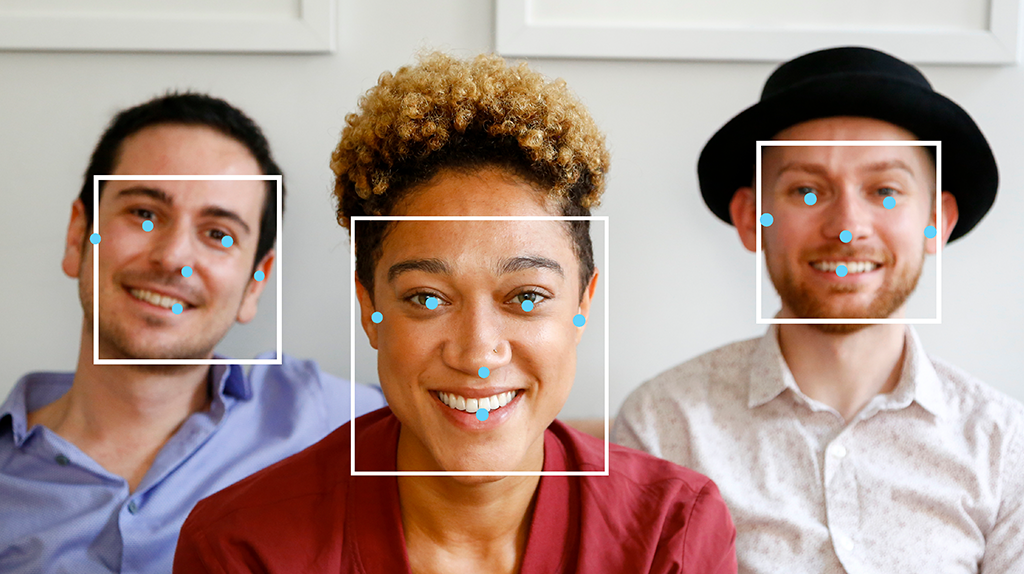
Managing thousands of photos used to be a challenge. With AI, Google Photos automatically organizes images based on faces, locations, and objects.
Users can now:
- Search photos using natural phrases (“beach sunset” or “birthday party”)
- Automatically group images by people
- Receive AI-generated memories and highlights
This transforms passive storage into an intelligent, searchable archive.
The Engine Behind the Success: Data + Continuous Learning
Google’s AI success is driven by one key advantage: scale. With billions of users interacting daily, the company has access to vast amounts of data. This enables continuous model training and refinement.
However, the real innovation lies in how this data is used:
- Algorithms improve with every interaction
- Personalization becomes more accurate over time
- Services adapt to individual user behaviour
This feedback loop creates a powerful cycle of improvement that competitors struggle to match.
Business Impact: Beyond Technology
Google’s AI integration is not just a technical achievement- it is a business strategy that drives:
- User retention: Better experiences keep users engaged
- Market dominance: Superior products strengthen competitive advantage
- Revenue growth: More accurate targeting improves advertising performance
By embedding AI into its core, Google has ensured that innovation directly translates into measurable business value.
Lessons for Businesses and Innovators
Google’s success offers several key takeaways:
- Integrate, don’t isolate AI
AI delivers the most value when embedded into core operations, not treated as an add-on. - Leverage data strategically
The true power of AI lies in continuous learning from real-world usage. - Focus on user experience
AI should simplify, personalize, and enhance—not complicate—user interactions. - Think long-term
Google’s AI capabilities were built over years of investment and iteration.
Conclusion: AI as an Everyday Utility
Google’s journey demonstrates how artificial intelligence can move from a futuristic concept to an everyday utility. By embedding AI into products like search, translation, and image recognition, the company has fundamentally reshaped how people interact with information.
In doing so, Google has not only enhanced its products- it has set the global standard for what intelligent digital services should look like.
From Data Doubt to Digital Dominance: How South Africa Is Winning with AI in Tourism Analytics
Wide Data vs Long Data: Why Format Matters More Than You Think
How AI is Revolutionizing Weather Forecasting?
Artificial Intelligence (AI) Training Courses
If you would like to know more about AI in business please get in touch.
15 George Silundika Avenue,
Email: info@dataanalysis.co.zw

Leave a Reply